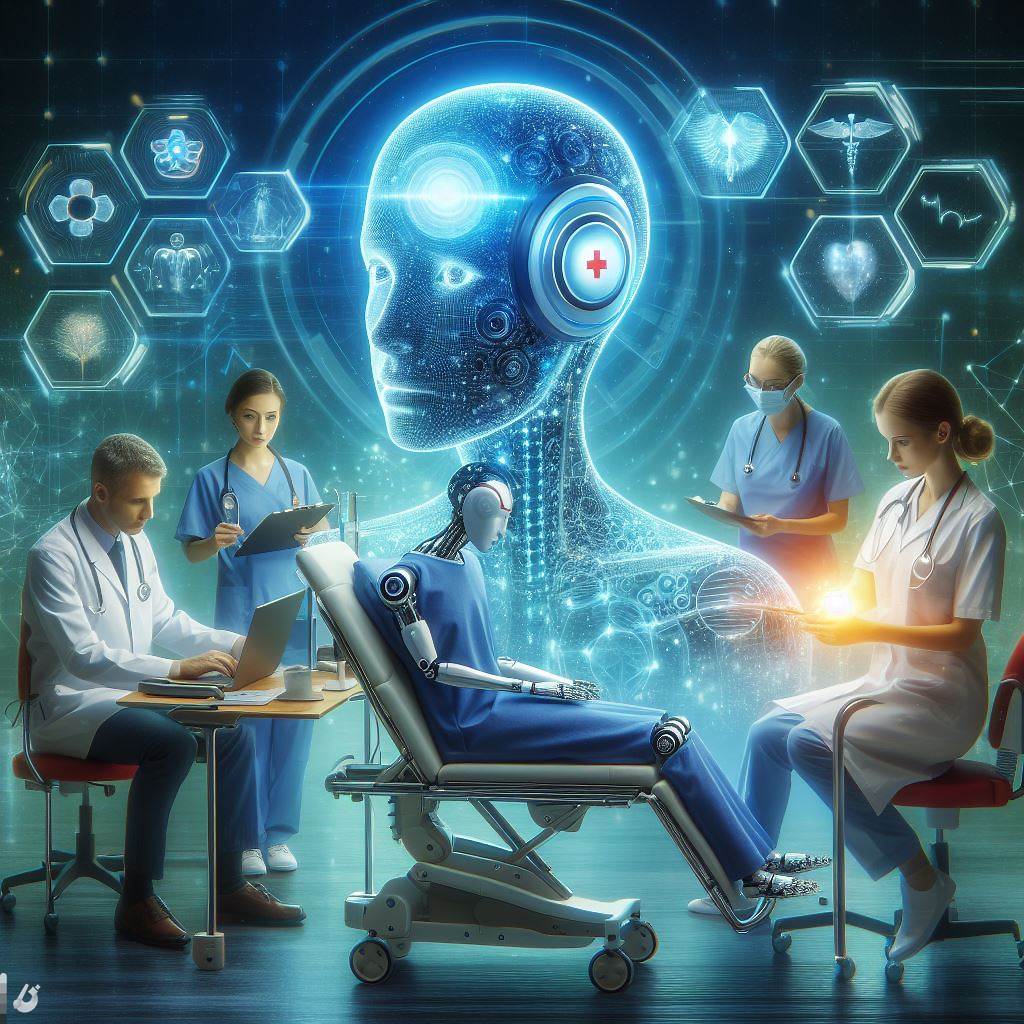
Emergency departments across the country have been grappling with a surge in cases, encompassing flu, COVID-19, RSV, and a rise in psychiatric symptoms. Unfortunately, the resultant strain has led to prolonged wait times, transforming these critical care facilities into sources of stress rather than immediate relief.
Even post the holiday season, typically associated with longer wait times, there is a noticeable trend of worsening delays in emergency departments. For patients seeking urgent care, these delays pose a significant challenge, causing undue anxiety and potentially exacerbating their health conditions.
These challenges extend beyond patient experiences and affect clinicians as well. The existing issues with emergency operations compound the strain on an already stretched hospital system, characterized by staffing shortages and physician burnout. However, there is a glimmer of hope in the form of artificial intelligence (AI), which has the potential to revolutionize emergency care and eliminate long wait times.
AI Streamlining Hospital Processes and Documentation
One area where AI is already making strides is in streamlining hospital processes, including billing and patient medical notes. Clinicians often spend a substantial amount of time documenting and inputting patient information, detracting from direct patient care.
AI can digitize clinician-patient interactions, extracting data from natural conversations and converting it into real-time medical notes, saving doctors up to three hours per day. This innovation not only streamlines processes but also allows care teams to reduce average wait times during peak hours, facilitating quicker assessments and more timely interventions.
Patient-Centered Efficiency and Precision
AI's processing speed, surpassing human capability, places the clinician-patient relationship at the forefront. This ensures timely care tailored to each patient's specific needs. Moreover, AI's ability to organize vast amounts of medical data contributes to a more personalized and empathetic patient experience.
While implementing AI solutions in the dynamic and unpredictable environment of emergency departments poses challenges, some of the largest health systems are already embracing these technological advancements.
Transformative Impact of AI in Emergency Operations
Despite ongoing improvements and technological advancements, it is evident that AI-powered medical documentation holds transformative power in emergency operations. The integration of AI heralds an era of efficiency, precision, and patient-centered care.
The ultimate vision for AI in emergency care is one of eradicating unnecessary delays, ensuring every patient receives precise care when needed. This is especially crucial during peak times, such as the holiday rush, when AI's ability to prioritize resources becomes indispensable.
AI and Human Expertise Working Hand in Hand
Recognizing that AI will not replace human expertise but enhance it, the evolving mindset in the healthcare industry positions AI as a powerful tool to address physician and administrative burnout. This collaboration between AI and human expertise promises to deliver optimal patient care, mitigating turnover and staffing shortages.
As we envision a future where AI and human expertise work hand in hand, the promise of eliminating wait times in the emergency room becomes not just a possibility but an inevitability. While we haven't reached this point yet, the rapid pace of technological advancements instills confidence that the future holds efficient and patient-centered emergency care.