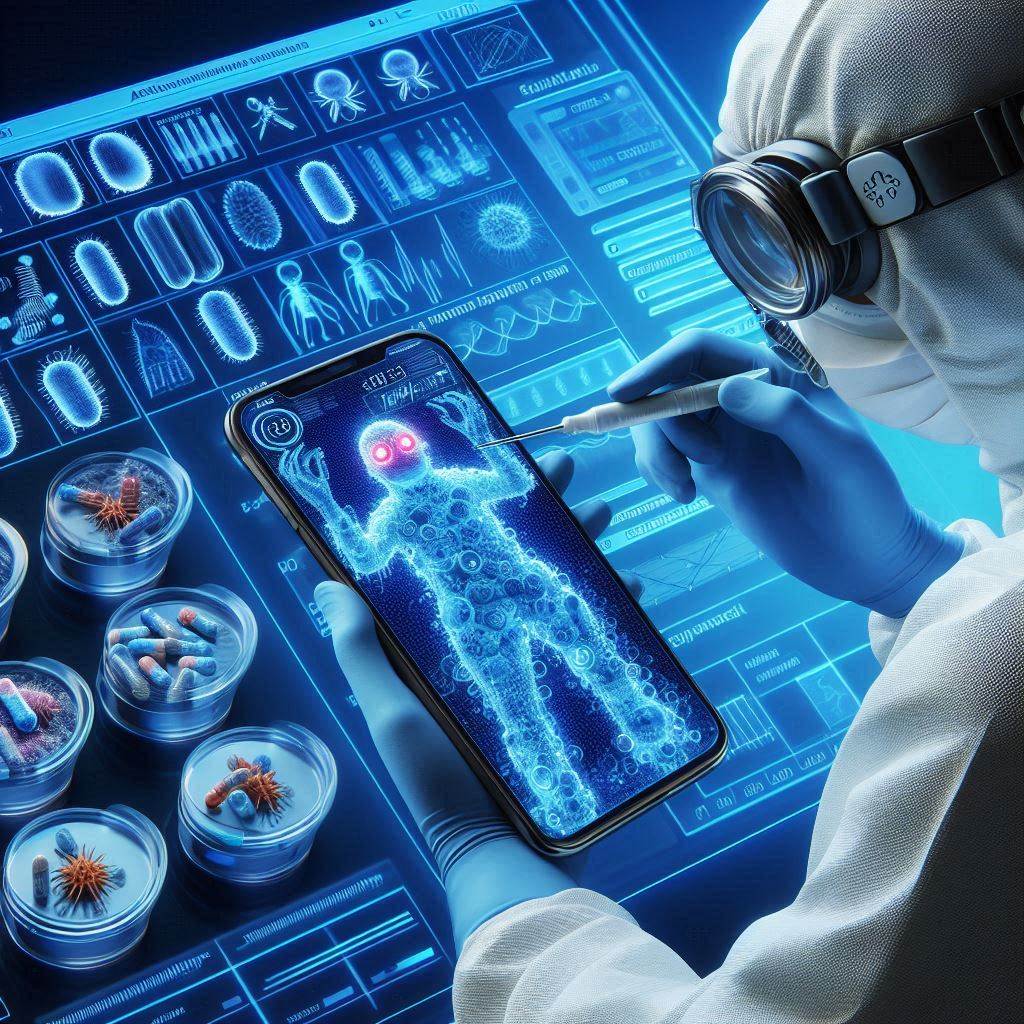
Researchers at the University of Cambridge have unveiled a groundbreaking machine learning tool capable of swiftly detecting drug-resistant bacteria, bypassing the need for conventional antibiotic testing. The tool specifically targets Salmonella Typhimurium (S. Typhimurium), a bacterium known for causing severe gastrointestinal illness.
Published in Nature Communications, the study outlines how the machine learning algorithm can analyze microscopic features of bacterial isolates to predict antibiotic susceptibility within six hours—a process typically requiring 24 hours or more. This advancement is crucial as antibiotic resistance complicates treatment options for infections like those caused by S. Typhimurium.
Dr. Tuan-Anh Tran, a postdoctoral research associate at Cambridge, highlighted the algorithm's ability to discern subtle differences in bacteria that indicate resistance to antibiotics, which are often imperceptible to human observers. This capability accelerates the identification of effective treatments, enhancing patient care by providing timely and accurate medical interventions.
While acknowledging challenges in implementing the technology across clinical settings due to complexity and cost, the researchers expressed optimism about expanding their research to refine and optimize the tool's efficacy. Dr. Sushmita Sridhar, formerly of Cambridge and now a postdoc at the University of New Mexico and Harvard School of Public Health, emphasized the promise of capturing detailed bacterial parameters to predict drug resistance effectively.
The development represents a significant step towards combating antibiotic resistance through innovative applications of machine learning in medical diagnostics.