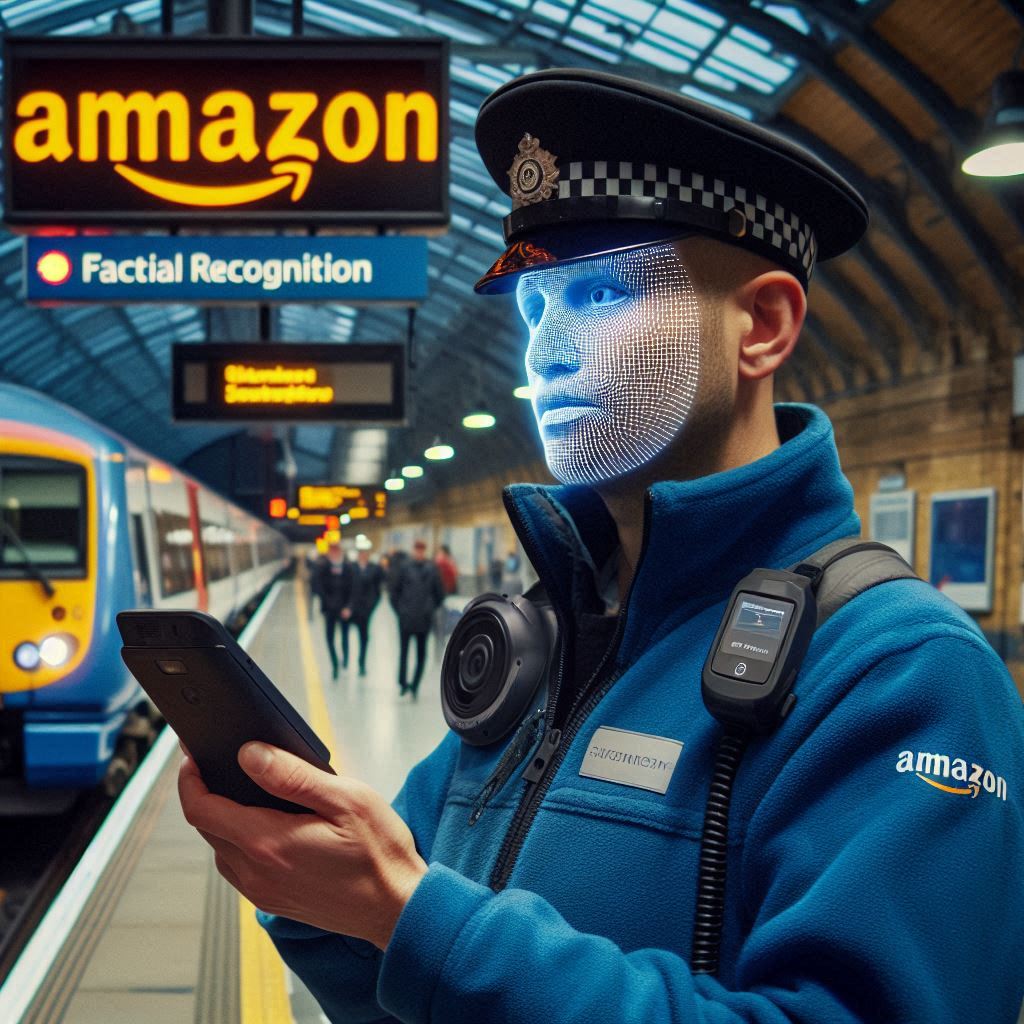
Passengers at some of the United Kingdom’s busiest train stations have been subjected to facial recognition scans through Amazon’s Rekognition software, as part of extensive testing by major network operators. Documents obtained by Wired reveal that eight stations, including London’s Waterloo and Euston, Manchester Piccadilly, Glasgow Central, and Reading, participated in trials over the past two years.
Network Rail, responsible for managing the country’s rail infrastructure, reported positive feedback from initial tests on the software's ability to enhance security measures. The technology, integrated with Cisco’s Meraki smart cameras, was primarily used to augment existing CCTV systems, alerting staff to potential safety incidents such as trespassing on tracks and bicycle thefts.
At Reading station, for instance, the deployment led to the installation of anti-climb barriers following multiple incident captures by the cameras. The software not only detected passengers but also identified objects like luggage, pushchairs, and bicycles accurately.
Despite its successes, Network Rail noted in its summary that the facial recognition technology’s use in analyzing emotions and measuring customer satisfaction raised cautious reactions. The system triggered when passengers crossed designated areas, like payment gates, to detect fare evaders and manage crowd levels on platforms and concourses.
While acknowledging the benefits of AI in enhancing security and operational efficiency, Network Rail emphasized the importance of compliance with privacy laws and the cautious deployment of such technologies in public spaces. The agency collaborates closely with law enforcement and adheres to strict legislative frameworks governing surveillance technologies.
In addition to facial recognition, Network Rail explored the integration of low-cost IoT sensors to monitor environmental conditions, aiming to reduce manual checks by staff and improve overall station management.
The trials underscore ongoing debates over privacy, security, and the ethical implications of AI technologies in public infrastructure, reflecting broader concerns as industries integrate advanced systems into everyday operations.
As the rail network continues to evolve, balancing innovation with public trust remains paramount for Network Rail and other stakeholders navigating the complexities of modern transportation security.