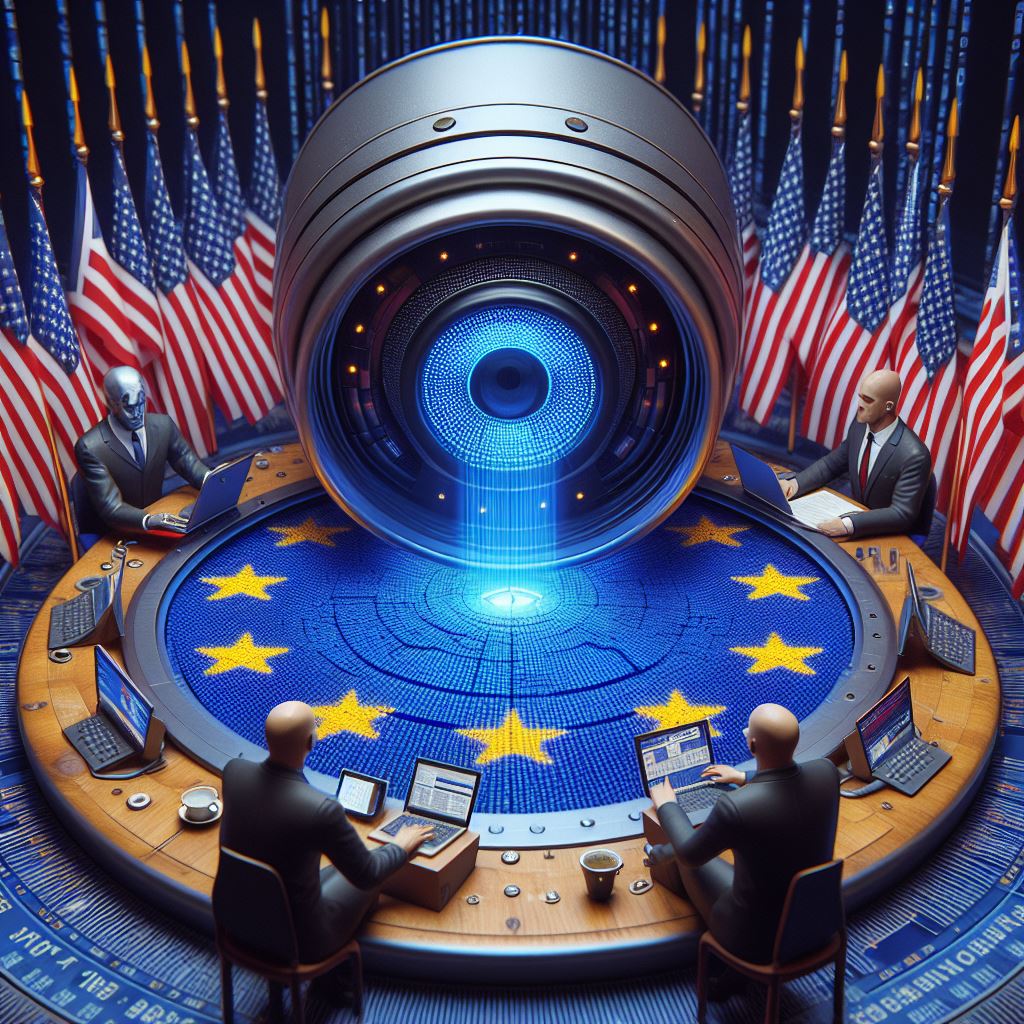
In a significant development, negotiations have resumed on the European Union's groundbreaking AI Act, with a particular focus on military and security applications. Exhausted EU lawmakers and governments reached a provisional deal after an intense 24-hour debate on regulating AI systems, including ChatGPT. Now, attention turns to the contentious issue of biometric surveillance, where EU lawmakers advocate for a ban due to privacy concerns, while governments seek exceptions for national security and defense.
EU industry chief Thierry Breton expressed optimism about the ongoing discussions, stating, "Batteries: recharged. Ready to dive back into the #AIAct trilogue. We made major progress yesterday and the day before - let’s join forces for the last mile."
The heart of the debate lies in the use of AI in biometric surveillance, a pivotal point that could position Europe at the forefront of regulating this technology. EU lawmakers emphasize privacy considerations in their call for a ban, while governments argue for exceptions in cases of national security, defense, and military applications.
The prolonged negotiations and evident divisions within the 27-member bloc underscore the global challenge governments face in balancing the advantages of AI technology with the necessity of implementing regulations to control its influence. The EU's ambitious AI rules could potentially set the standard for other governments, providing an alternative to the United States' light-touch approach and China's interim rules.
As companies like Microsoft-based OpenAI continue to explore new applications for their AI technology, the market is rapidly expanding. Alphabet recently launched Gemini, its new AI model, in a bid to compete with OpenAI. The developments highlight the swift pace of AI advancement and the need for comprehensive regulations to address both opportunities and concerns associated with the technology.
OpenAI's founder, Sam Altman, and computer scientists have raised alarms about the potential dangers of creating highly intelligent machines that could pose threats to humanity. The EU's AI law aims to address these concerns and establish a blueprint for other governments navigating the complexities of AI regulation.
In summary, the ongoing negotiations on the EU's AI Act mark a crucial step toward regulating artificial intelligence in Europe. The debate over biometric surveillance reflects the broader challenge faced by governments worldwide in striking a balance between harnessing the benefits of AI and implementing safeguards to mitigate potential risks. Europe's approach could pave the way for a comprehensive and globally relevant framework for AI regulation.