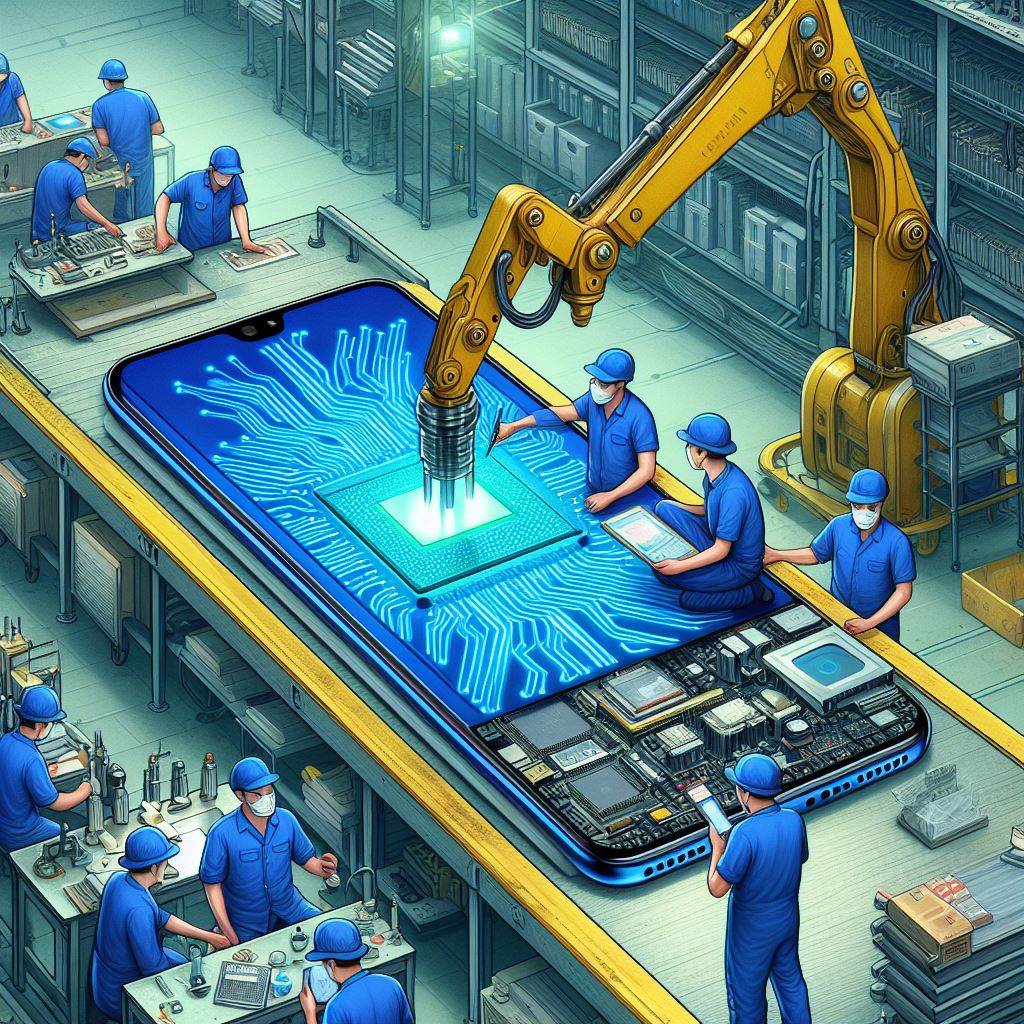
In a strategic move reflecting the shifting dynamics of the Chinese tech landscape, Huawei, once a stalwart in the smartphone market, is now redirecting its focus towards meeting the skyrocketing demand for its AI chips. This decision marks a pivotal moment for the company as it navigates through manufacturing constraints and adapts to the evolving demands of the industry.
Reports from Reuters indicate that Huawei is scaling back its smartphone production, particularly the rollout of its highly anticipated Mate 60 phones, in favor of prioritizing the production of its AI chips. This shift comes in response to the surge in popularity and demand for Huawei's AI chips, which have garnered significant attention in the tech market.
The decision to slow down smartphone production and prioritize AI chip manufacturing underscores Huawei's commitment to meeting the growing demand for advanced AI technology. By focusing on the production of its Ascend chips over Kirin chips, Huawei aims to cater to the increasing need for high-performance AI solutions across various sectors.
This strategic move comes at a crucial time for Huawei, which has faced challenges in the smartphone market due to various factors, including US sanctions imposed in 2019. Despite these hurdles, Huawei's AI chips have emerged as a bright spot for the company, driving growth and innovation in the rapidly evolving tech landscape.
Huawei's emphasis on AI chip production also reflects broader trends in the global tech industry, where businesses are increasingly investing in AI technology to accelerate their digital transformations. With Huawei at the forefront of AI innovation, the company is well-positioned to capitalize on the growing demand for advanced AI solutions worldwide.
Moreover, Huawei's shift towards prioritizing AI chips highlights the company's resilience and adaptability in the face of challenges, including US restrictions on AI chip manufacturing in China. As the global demand for flexible and tailored AI solutions continues to rise, Huawei's focus on AI chip production signals its commitment to driving innovation and advancing the digital economy.
In the larger context of the Chinese tech landscape, Huawei's strategic pivot towards AI chip production aligns with China's broader efforts to strengthen its computing power and establish itself as a global leader in AI by 2030. With investments in AI development, computing infrastructure, and data networks, China is poised to accelerate its growth in the AI economy and shape the future of technology on a global scale.
In conclusion, Huawei's decision to prioritize AI chips over smartphone production reflects the company's strategic vision and commitment to meeting the evolving demands of the tech market. As Huawei continues to innovate and expand its presence in the AI landscape, the company is poised to play a pivotal role in shaping the future of technology and driving growth in the global AI economy.