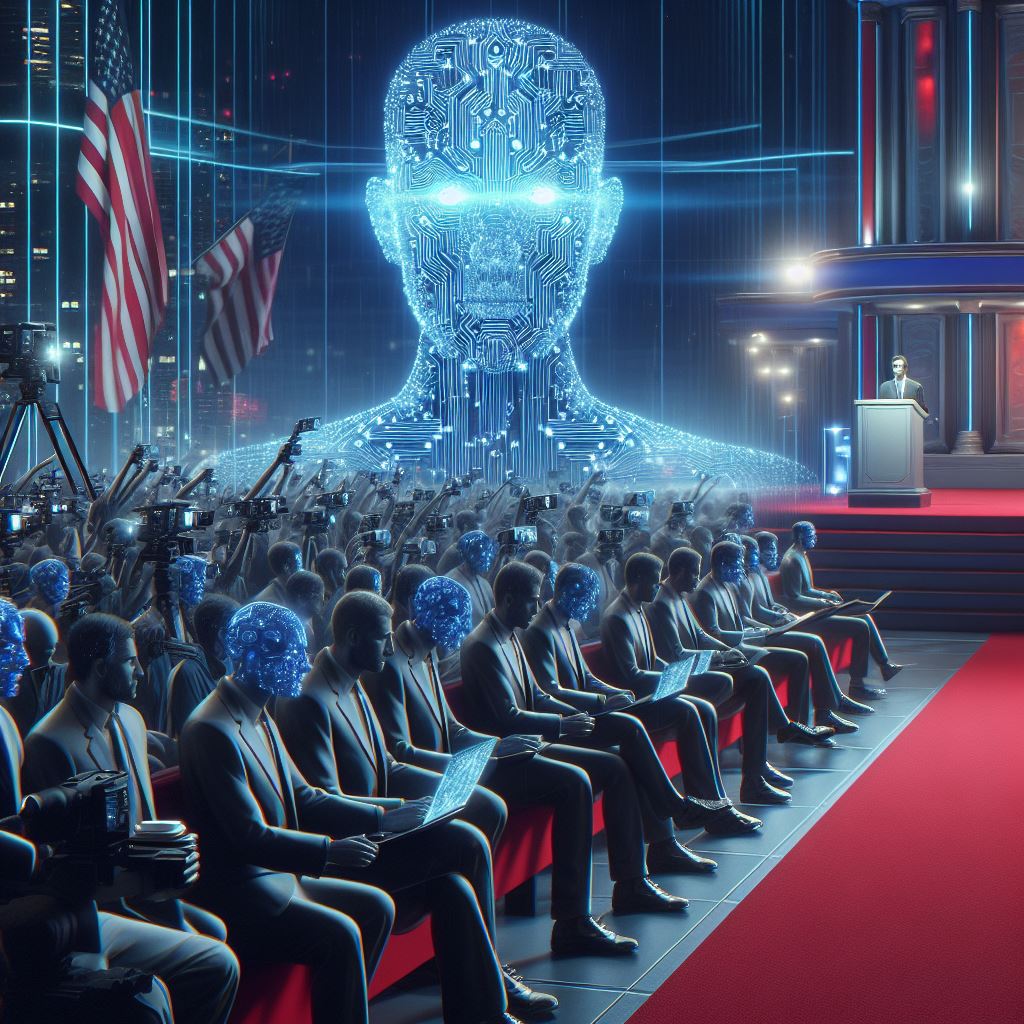
Nearly three years after the storming of the US Capitol, false election conspiracy theories persist on social media and television news, setting the stage for a potentially more challenging situation in the upcoming 2024 presidential election. With the erosion of safeguards and the strengthening of tools to create and spread misinformation, concerns are growing among experts.
Former President Donald Trump's influence has fueled the unsupported idea that US elections cannot be trusted, with 57% of Republicans questioning the legitimacy of President Joe Biden's election. The advent of generative artificial intelligence (AI) tools has further complicated matters, making it easier and cheaper to produce misleading content that could influence voters.
AI Deepfakes: A Growing Concern2024 marks the first US presidential election where sophisticated AI tools can produce convincing deepfakes within seconds. These manipulated images, videos, and audio clips have already found their way into experimental campaign ads, raising concerns about their potential impact on public opinion.
AI expert Oren Etzioni warns of a potential "tsunami of misinformation," envisioning scenarios where political candidates could be portrayed falsely, influencing voters in the crucial days leading up to the election. Efforts by the Federal Election Commission and Congress to regulate this technology are underway, but concrete rules and legislation are yet to be finalized.
Social Media's Changing LandscapeMajor social media platforms, including Twitter (now known as X), Meta (Facebook and Instagram), and YouTube, have undergone significant changes in the past year. Elon Musk's alterations to Twitter's features and moderation system have left public officials vulnerable to impersonation and weakened the platform's ability to combat misinformation.
X, Meta, and YouTube have removed 17 policies guarding against hate and misinformation in the run-up to 2024, as reported by Free Press. YouTube's decision not to remove content falsely claiming election fraud in previous elections has raised concerns about the platform's commitment to combating misinformation.
Rise of Less Regulated PlatformsThe rise of platforms like TikTok, Telegram, Truth Social, and Gab has created additional information silos, where baseless claims can proliferate. Private chat apps like WhatsApp and WeChat further complicate the situation, making it challenging for external groups to monitor and address misinformation.
Roberta Braga, from the Digital Democracy Institute of the Americas, expresses concerns about the potential sophistication of false narratives in 2024. However, she remains hopeful that increased social resilience may counteract these challenges.
The Trump Factor and Election VigilantismFormer President Trump's continued false claims about the 2020 election raise concerns about the impact on voter trust in the democratic process. Trump's history of suggesting elections are rigged if he doesn't win contributes to a climate where misinformation can lead to violence, warns Bret Schafer of the Alliance for Securing Democracy.
Responses from Election OfficialsUS election officials are taking proactive measures to combat misinformation. In Colorado, informative campaigns humanizing election workers aim to inoculate voters against misinformation. Minnesota's #TrustedInfo2024 initiative promotes election officials as reliable sources, while new laws in some states protect election workers and criminalize the spread of deepfake images.
As the 2024 presidential election approaches, the challenge of mitigating election misinformation remains a critical task for authorities and platforms alike. The effectiveness of these efforts will determine the extent to which voters can trust the democratic process.