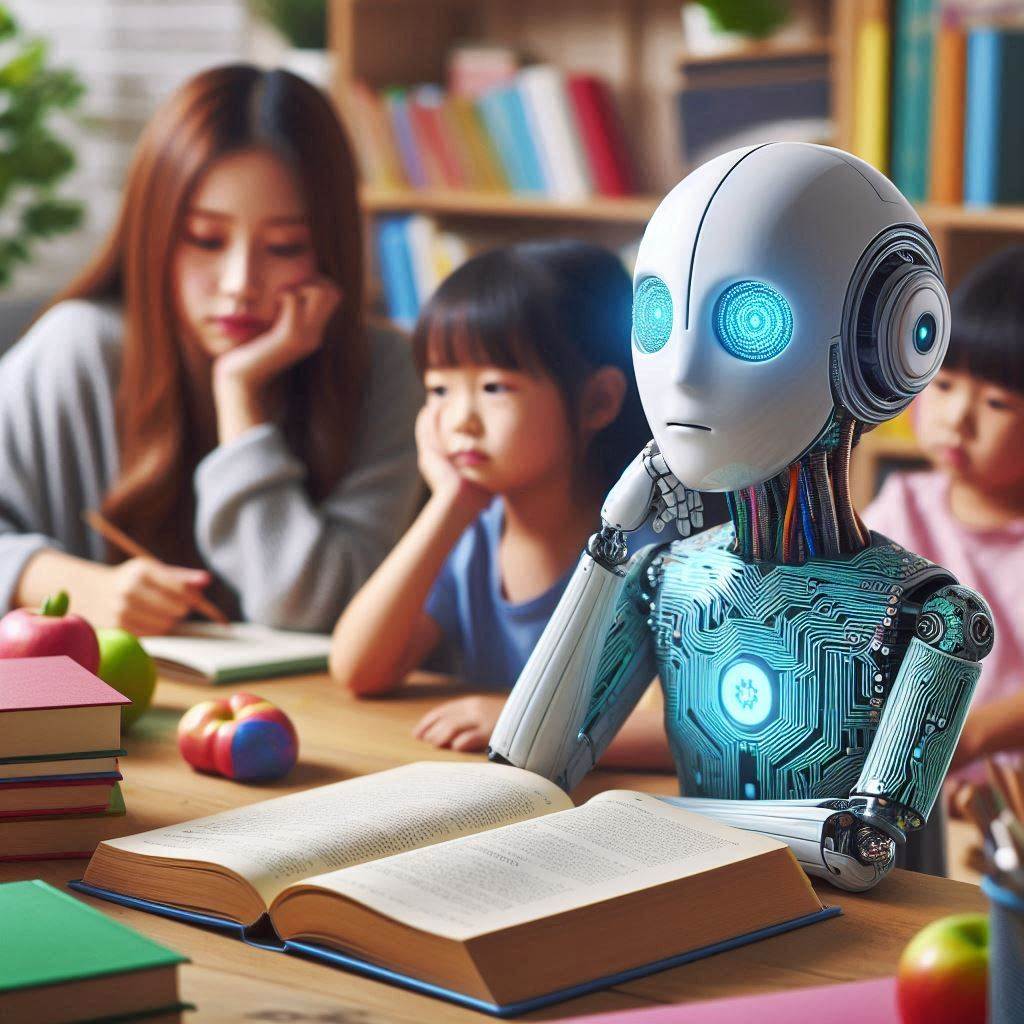
The South Korean government's initiative to introduce tablets with AI-powered textbooks into classrooms has sparked significant concern among parents, according to a recent report by The Financial Times. Scheduled for rollout next year, the tablets are expected to be integrated into the curriculum for all subjects, with the exception of music, art, physical education, and ethics, by 2028.
Details about the implementation remain sparse, but the initiative is designed to offer personalized learning experiences through AI, with materials tailored to different learning speeds and teacher dashboards for monitoring student progress.
In response, over 50,000 parents have signed a petition urging the government to shift its focus from technological advancements to addressing students' overall well-being. They express concern that increased exposure to digital devices could negatively impact their children’s brain development, concentration, and problem-solving abilities.
Lee Sun-youn, a mother of two, voiced her apprehensions to The Financial Times, stating, “I am worried that too much usage of digital devices could negatively affect their brain development, concentration span, and ability to solve problems — they already use smartphones and tablets too much.”
As the government moves forward with its plan, it faces mounting pressure from parents who are advocating for a balanced approach to technology in education.