In a recent interview with Victor Jakubiuk, Head of AI at Ampere Computing, we explored how artificial intelligence (AI) is revolutionizing various industries, particularly in the realm of sustainable cloud computing. However, as AI continues to advance, it finds itself at the center of global conflicts, exemplified by Israel's use of AI in its recent military operations against Hamas in the Gaza Strip.
In a detailed report by The Guardian, we delve into the use of an AI target-creation platform named "the Gospel" by the Israel Defense Forces (IDF). The Gospel, an AI-based system, has played a central role in the IDF's targeting approach during the latest Israel-Hamas war, raising concerns about the ethical implications and impact on civilian populations.
AI's Unprecedented Role in Military Operations
The IDF's use of AI in warfare is not a recent development. After the 11-day war in Gaza in May 2021, Israeli officials claimed to have fought their "first AI war," utilizing machine learning and advanced computing. However, the current conflict has provided an unprecedented opportunity for the IDF to expand its use of AI, particularly with the deployment of the Gospel.
The Gospel: An Accelerated Targeting "Factory"
The Gospel, described as an AI target-creation platform, has significantly accelerated the IDF's target identification process. According to intelligence sources, it operates as a "mass assassination factory," generating a high volume of targets with an emphasis on quantity rather than quality. The platform's rapid and automatic extraction of intelligence has led to the production of 100 targets per day during the conflict, a stark increase from the previous capability of 50 targets per year.
Concerns and Ethical Implications
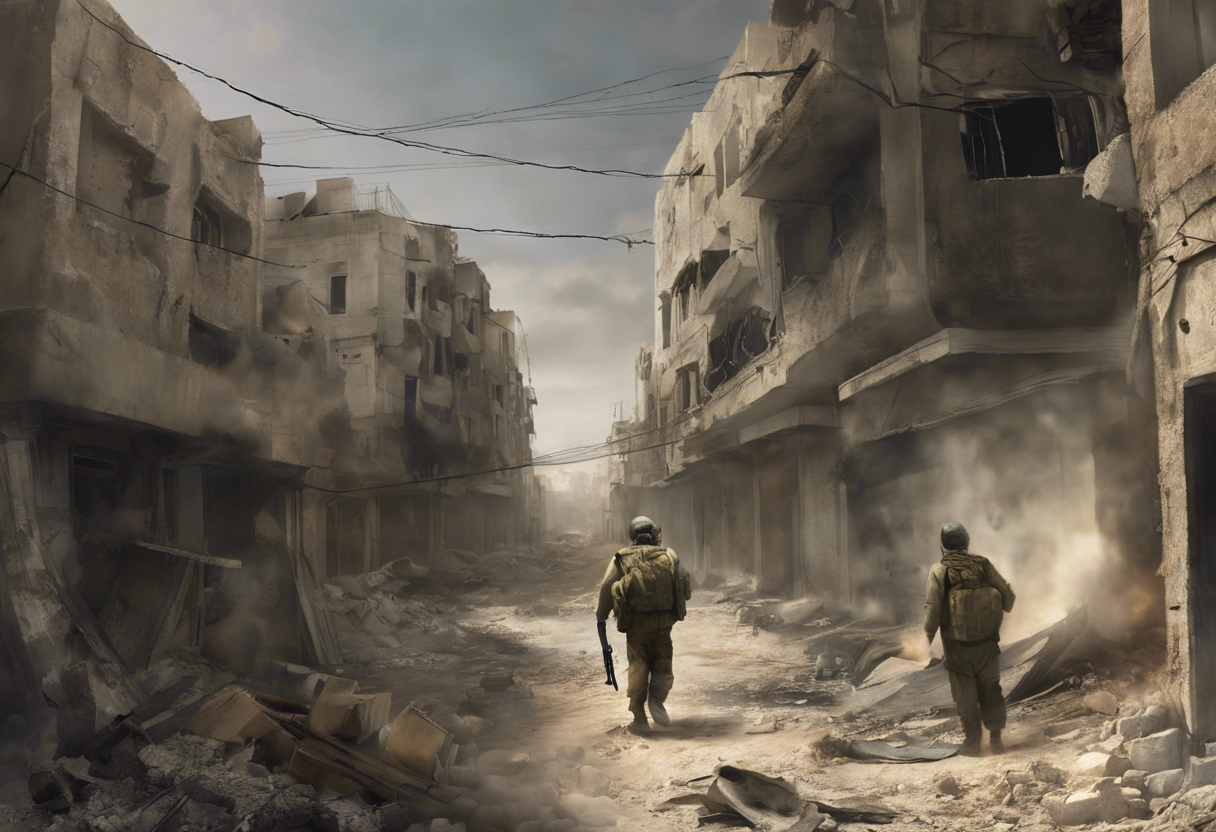
While the IDF claims that AI-based systems like the Gospel ensure precise attacks on military infrastructure with minimal harm to non-combatants, experts remain skeptical. Critics argue that the visible impact of the bombardment contradicts claims of precision, pointing to the widespread destruction of urban areas in Gaza.
Moreover, concerns are raised about the collateral damage score assigned to each target, indicating the expected civilian death toll. The acceleration of the target creation process through AI raises questions about the ability of human commanders to thoroughly evaluate the ethical implications and potential harm to civilians.
The Future of AI in Warfare
As AI becomes increasingly integrated into military operations, the Israel-Hamas conflict serves as a crucial moment in understanding the implications of AI on the battlefield. The rapid development and deployment of systems like the Gospel highlight the need for careful consideration of ethical standards and the potential consequences of relying on automated decision-making in life-and-death situations.
The ongoing debate surrounding the use of AI in warfare underscores the importance of global collaboration and transparency in establishing guidelines for the responsible use of AI technologies. As the IDF continues to leverage AI in its military operations, the world watches closely, acknowledging the need for a thoughtful and ethical approach to the future of AI in warfare.