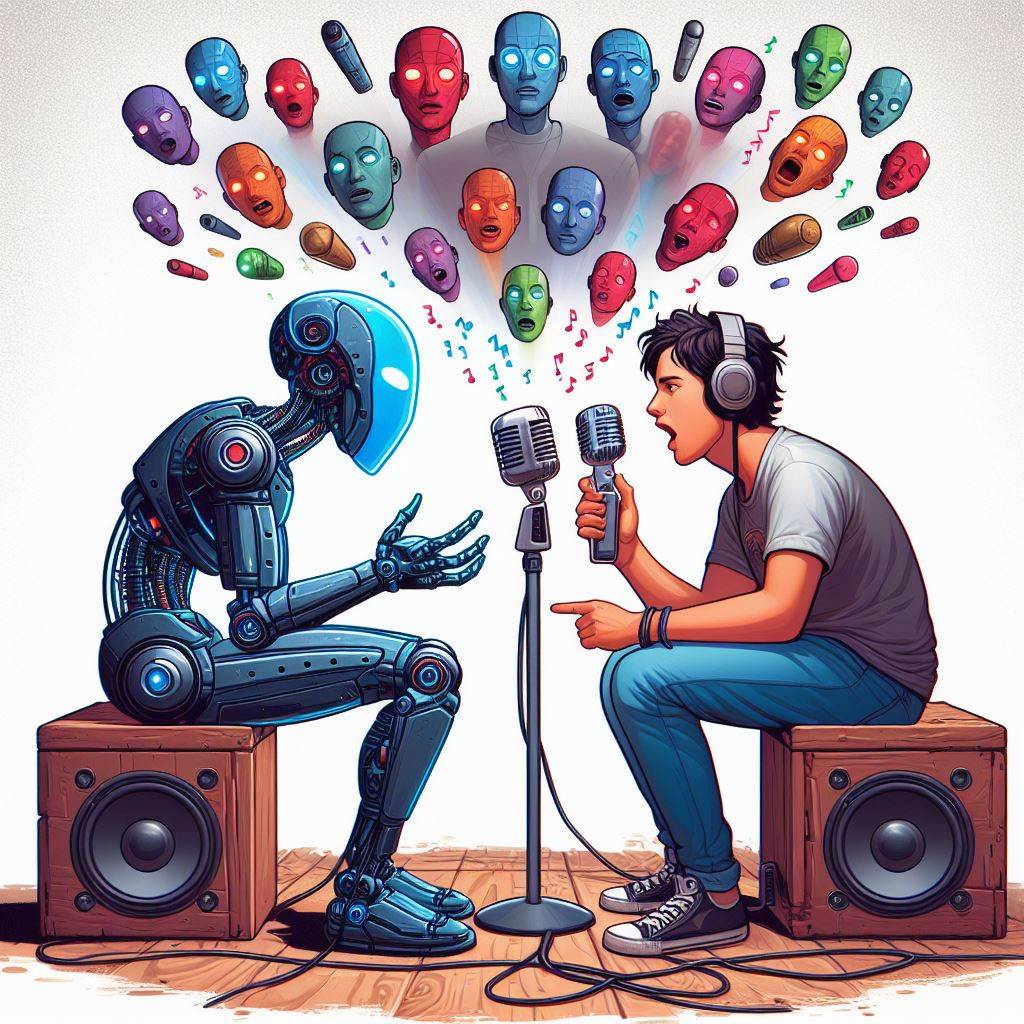
In the expansive world of video games, the need for diverse voices to bring characters to life is ever-growing. However, as game studios seek to streamline their processes and reduce costs, some are turning to artificial intelligence (AI) tools to generate synthetic voices for characters. This shift has sparked mixed reactions from professional actors, who fear potential job displacement but also recognize the opportunities AI presents.
Actor Andy Magee, who grew up in Northern Ireland, has found himself lending his voice to AI-generated characters, turning a once-unexpected avenue into a rewarding career. While some actors view AI voices with skepticism, others like Sarah Elmaleh, who has played prominent roles in blockbuster games like Fortnite, are open to exploring AI-generated voices under certain conditions.
The Screen Actors Guild-American Federation of Television and Radio Artists (SAG-AFTRA) has been actively negotiating with major studios regarding the use of AI voices, aiming to ensure fair treatment and compensation for actors. Replica Studios, one AI voice company, has reached an agreement with SAG-AFTRA, allowing unionized actors to create and license digital replicas of their voices while retaining control over their usage.
For actors like Zeke Alton, known for his roles in franchises like Call of Duty, the prospect of AI-generated voices presents both challenges and opportunities. While acknowledging the potential benefits in scaling up game franchises, Alton emphasizes the importance of maintaining human artistry in the creative process.
As the gaming industry continues to evolve, the integration of AI tools in voice acting raises questions about the future of the profession. While AI offers efficiency and flexibility, actors and industry stakeholders are navigating the delicate balance between technological advancement and preserving the essence of human performance.