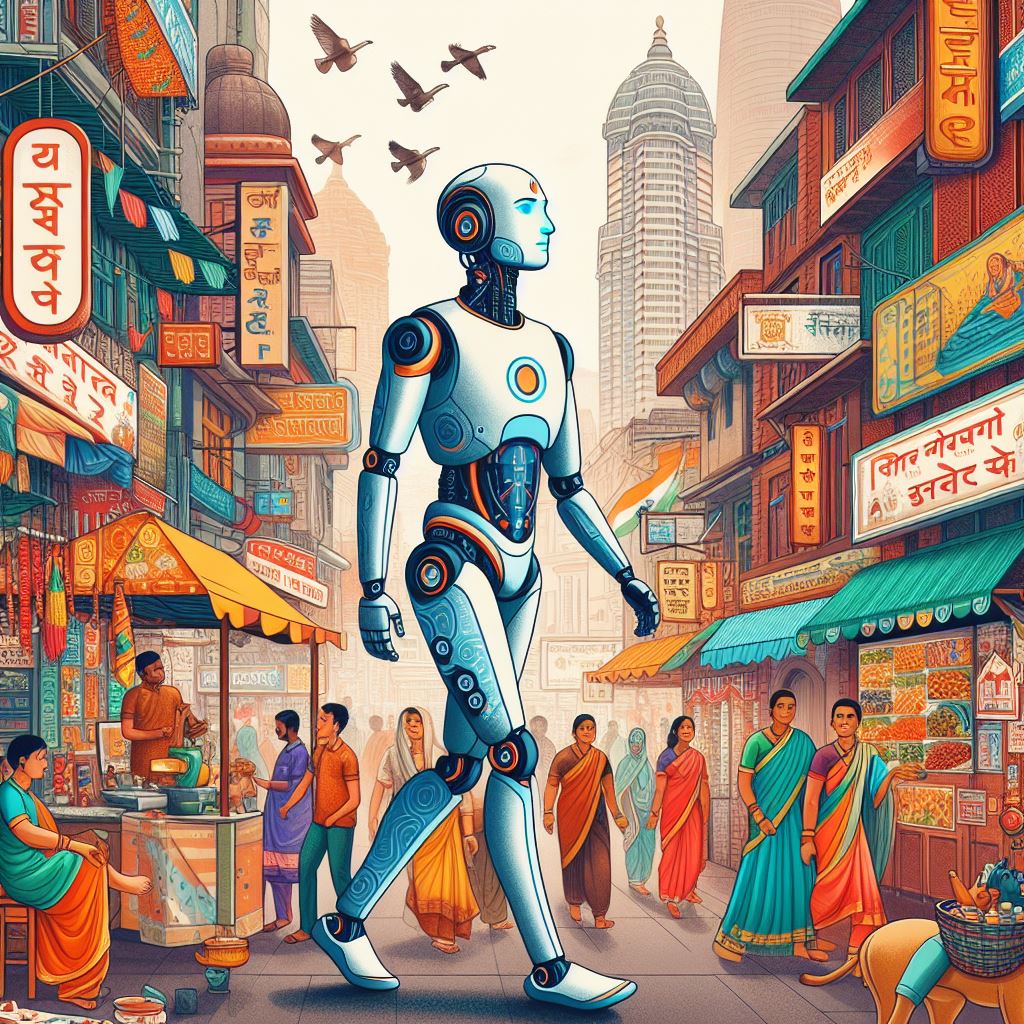
In 2022, India's internet usage reached 52%, boasting over 467 million social media users. This surge, predicted to cross one billion by 2025, places India as the largest global audience for platforms like Meta, Instagram, WhatsApp, YouTube, and Snapchat. LinkedIn and X (formerly Twitter) also find India among their top markets. However, the undeniable influence of these platforms raises concerns about their impact on political, religious, social, and cultural aspects of millions of Indians' lives.
In 2021, a whistleblower leaked internal documents from Facebook and its subsidiaries, primarily Instagram. These documents, dating back to 2016, reveal troubling revelations about the platforms' roles in elections and other issues globally. The leaked information, now accessible online, exposes internal discussions, analytics, and plans of action, especially concerning India.
Beyond concerns about subjective policies and moderation, the leaked documents shed light on the lack of understanding among engineers and product teams about algorithmic functioning. Shockingly, developers were often playing catch-up, unaware of how algorithms functioned and the unintended consequences they spawned. Instances revealed that new users were exposed to polarizing content and hate speech, incentivizing divisive behavior.
"Playing catch up with algorithms" is not unique; it's the norm. Machines learn from training datasets, constantly adapting to achieve objectives with the highest efficiency. The lack of local contextualization in platforms like Facebook and Instagram results in ineffective content flagging and moderation, allowing harmful content to circulate.
Algorithmic dependence, as seen in the Facebook archives and other global studies, poses a significant risk. The efficiency hype can lead to technology dependence, especially among a population unaware of its limitations. For example, Twitter's admission in 2021 about biased algorithmic amplification and a study revealing AI systems misgendering individuals demonstrate the potential pitfalls.
As India embraces AI applications, it is crucial to develop and train them with inclusive, representative, and contextualized data. Ignoring the ethical dimensions of AI could perpetuate global biases, worsening the lives of underrepresented minorities. It's imperative to educate the general population about algorithms, fostering a balance between technological advancement and human judgment.
In conclusion, the evolving landscape of social media and AI demands heightened awareness and responsible use. Without understanding the ethical implications, there's a risk of perpetuating biases and inadvertently harming vulnerable communities. It's time for a collective effort to bridge the gap between technology and human values in the digital age.